Cite Us Or...


In a sampled 2026 issue of the Arab World English Journal (AWEJ), every published article cited the journal itself. On its own, that would not necessarily be remarkable. Journals often publish research that builds on their own previously published work. What makes this case different is that just three years earlier, only 30% of articles cited AWEJ, and between those two periods, the journal introduced a requirement that authors must cite at least two AWEJ articles as part of the submission process.
The Policy
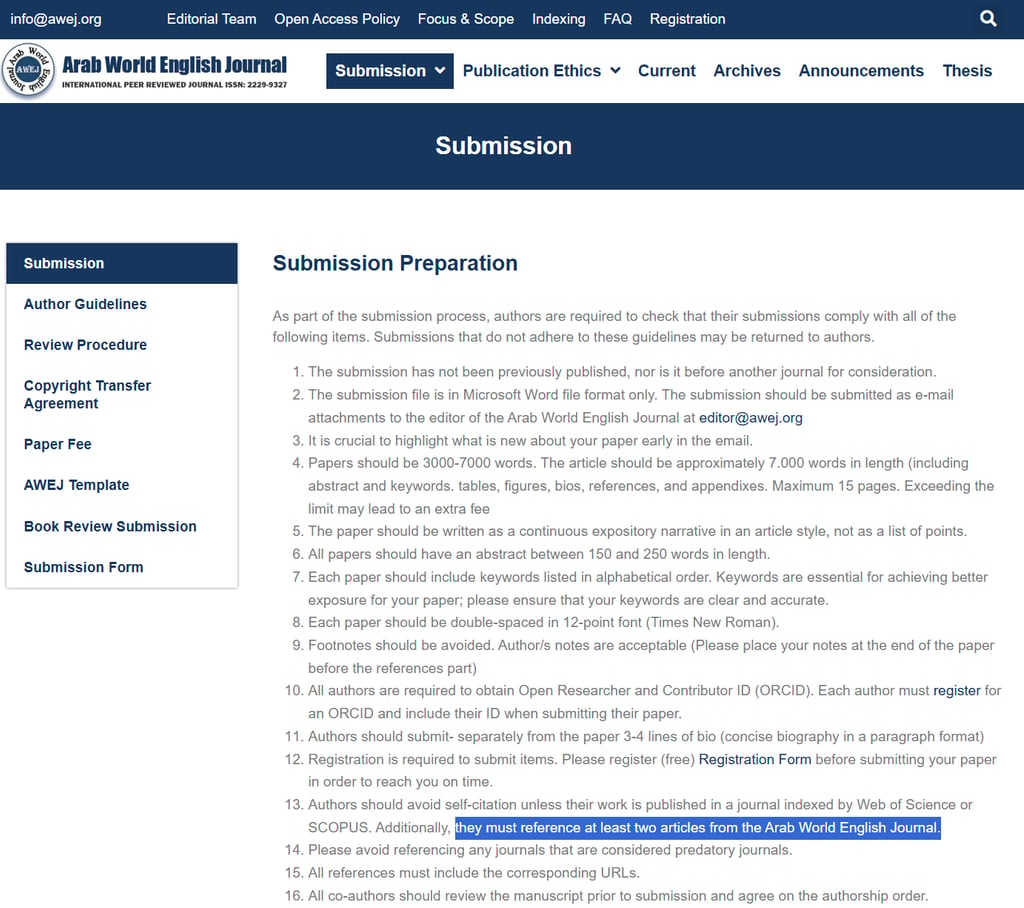
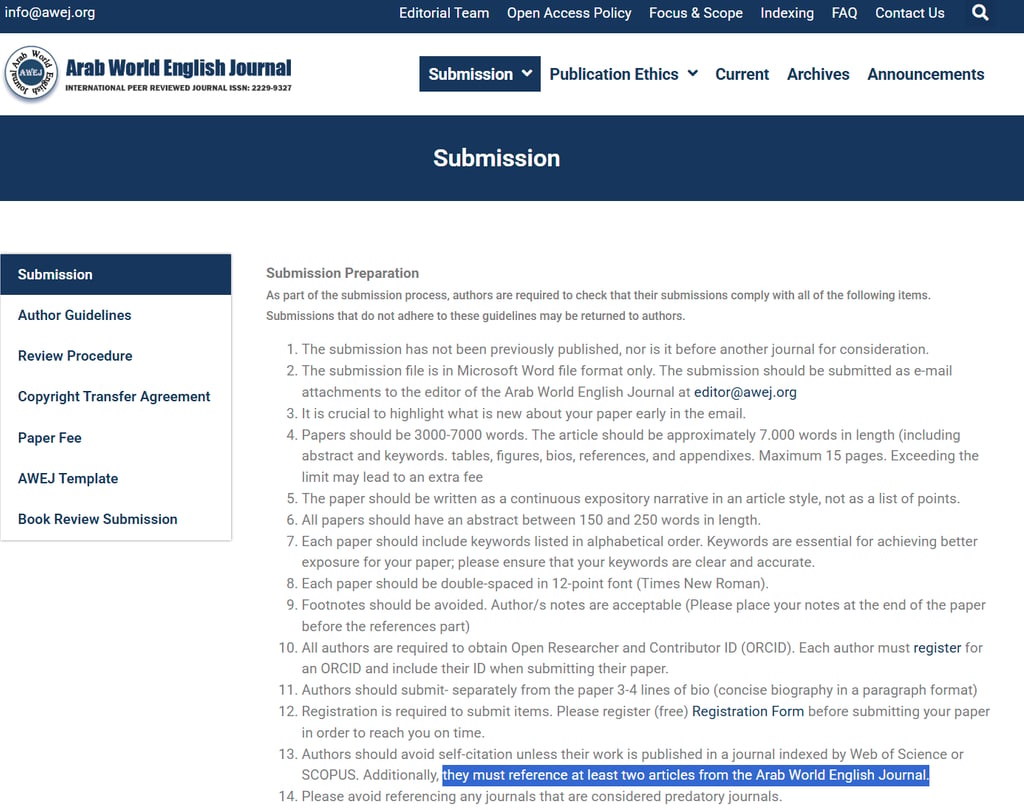
The journal explicitly states in its submission checklist that authors “must reference at least two articles” from the journal for their submission to be considered compliant.
Under normal scholarly practice, a citation supports a claim or informs a method based on its relevance. By making self-citation a requirement for a manuscript to even be looked at by the editor, the journal forces authors to prioritize editorial compliance over rigor.
Following the Paper Trail
A reconstruction of the journal's policy changes and subsequent publication data tells a compelling narrative.
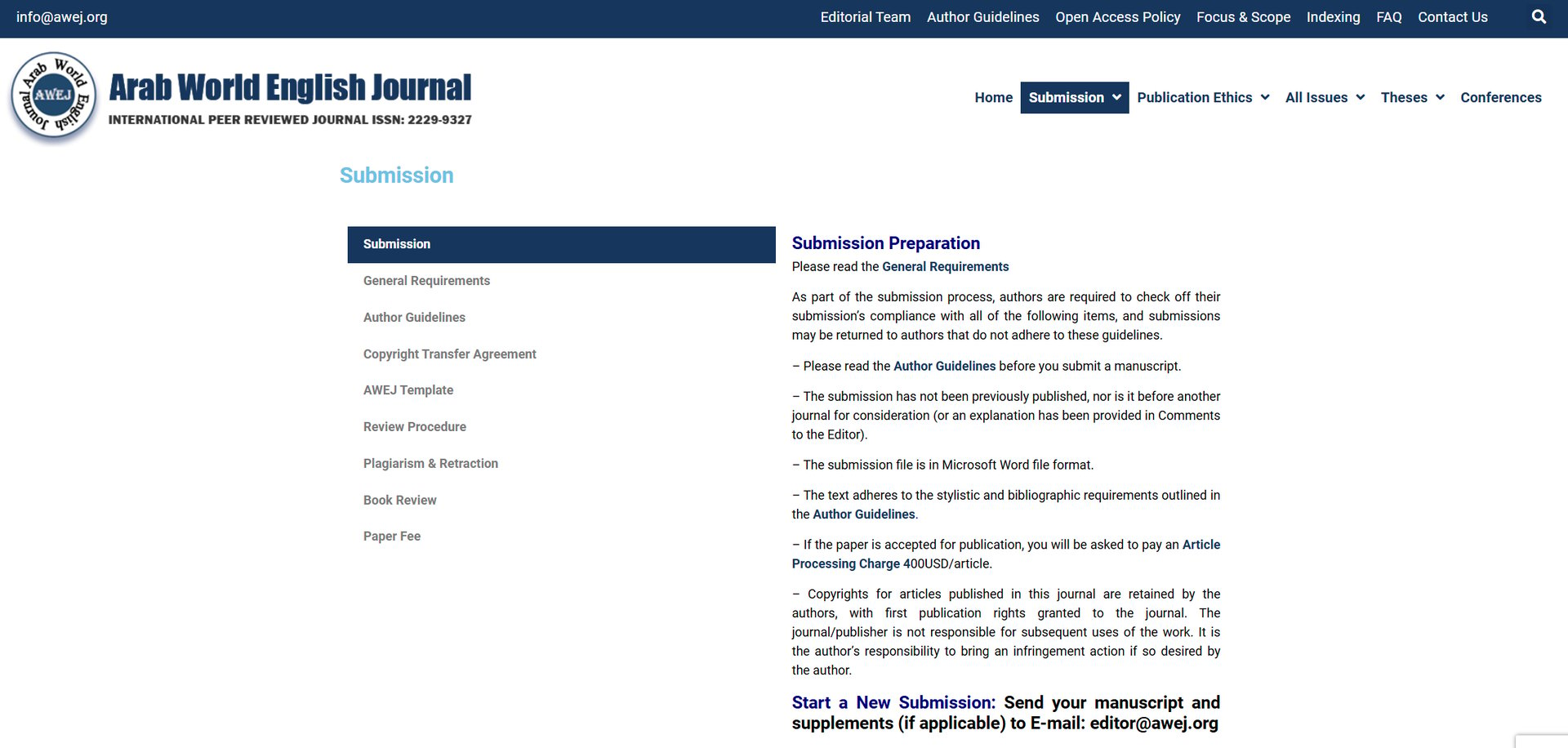
Using the Wayback Machine, archived versions of the journal's website show that in
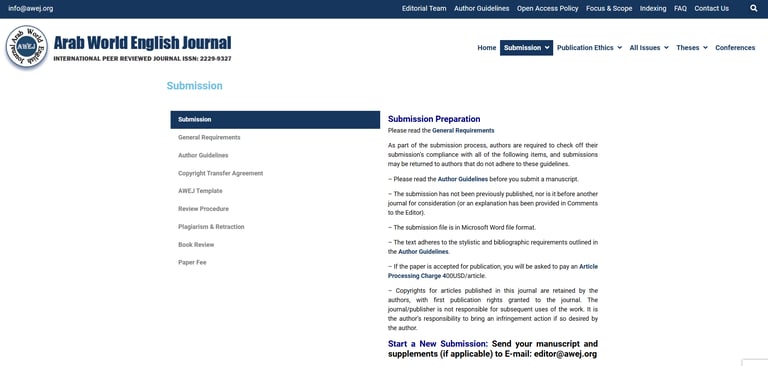
December 2024: The requirement to cite AWEJ articles was not present.
January 2025: The requirement appeared in the submission guidelines.
December 2024
January 2025
What Changed?
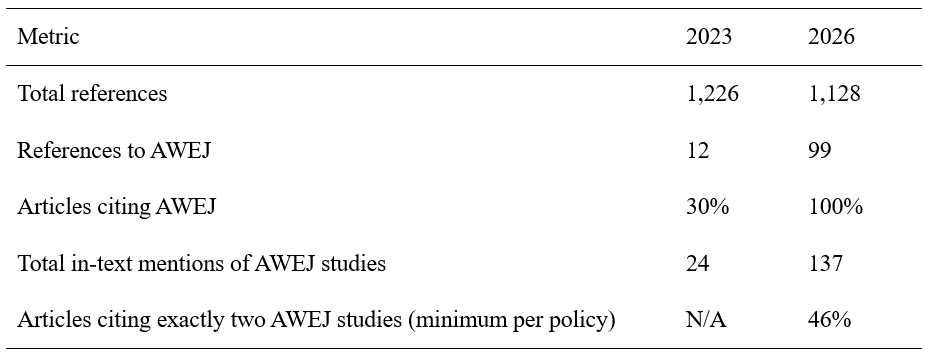
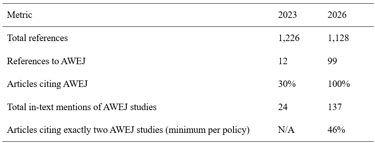
A pilot comparison between randomly-selected 33 studies from 2023 and 28 studies from 2026 shows that while the total number of references remained stable, citations to AWEJ skyrocketed from 12 to 99.
Total in-text mentions of the journal's own studies jumped from 24 to 137.
The impact is also obvious at the article level. In the 2026 sample, 100% of the published articles cited AWEJ, compared with just 30% in the sampled 2023 issue.
Importantly, nearly half of the authors (46%) cited exactly two AWEJ papers, which is the minimum required by the submission guidelines.
Beyond Numbers
The quality of these new citations is interesting to say the least.
Most appear only in introductory sections and are never revisited to support methodology or results.
Perhaps the most unusual observation was that four of the references appeared in the reference list without a corresponding in-text citation. Removed references may remain after revisions, so individual cases may show editorial oversight. However, if this pattern persist across a larger sample, it would raise important questions about whether some references are being included to satisfy submission requirements rather than to support the arguments the manuscripts attempt to make.
An Ethical Contradiction
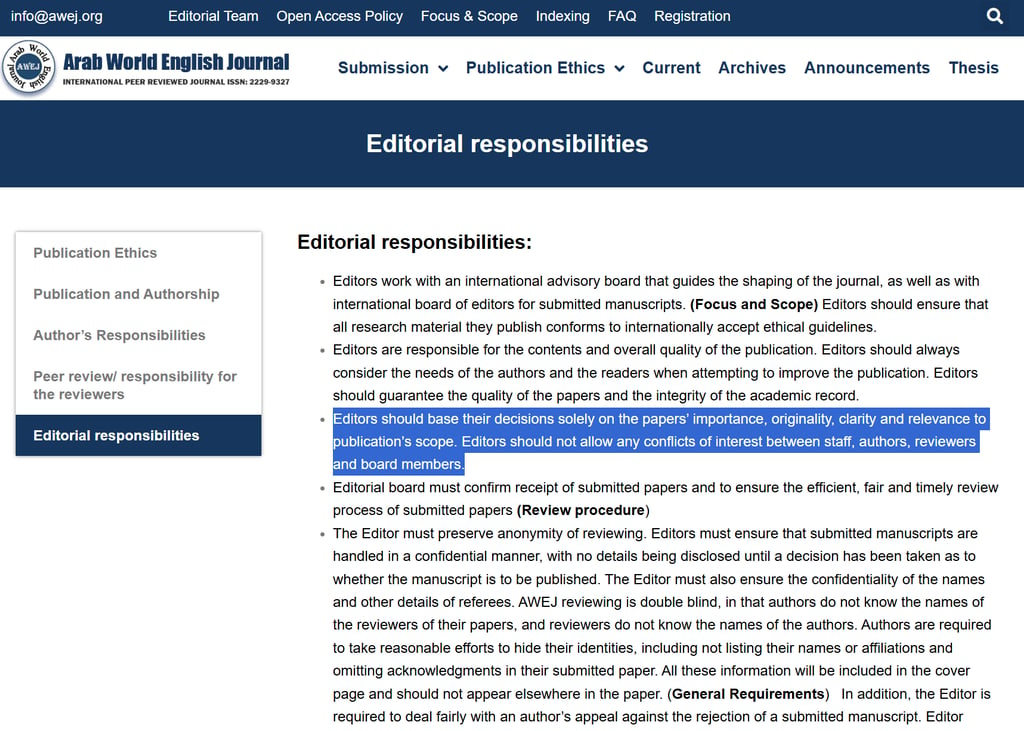
The mandate appears difficult to reconcile with the journal's own Editorial Ethics Statement, which states:
“Editors should base their decisions solely on the papers' importance, originality, clarity and relevance to publication's scope. Editors should not allow any conflicts of interest between staff, authors, reviewers and board members.”
Yet the submission requirements state:
“Authors must cite at least two articles from this journal.”
By requiring authors to cite the journal, the policy predictably increased citations to the journal and, consequently, its bibliometric impact.
Where Do We Go from Here?
Scholarly publishing depends on trust. When citations are coerced, that trust is weakened, and the tools we use to verify evidence and acknowledge prior work become less meaningful.
To address this, we could:
Expand investigations
This pilot investigation should lead to a comprehensive analysis of all issues before and after the 2025 policy change to determine the full extent of the observed citation patterns.
Enforce ethical standards
Indexing bodies and scholarly associations should examine submission requirements that appear inconsistent with journals' own editorial ethics statements.
Restore relevance
Citations should be included because they contribute to the scholarly argument, not because they satisfy a submission requirement.
Only by removing coercive citation mandates can impact remain a meaningful measure of a journal’s scholarly influence.
Comments
All rights reserved (amqal.com)